Building Bridges from Discovery Science to Women’s Health
On Friday, March 6, 2026, the women’s health research community came together to celebrate the 20th anniversary of the Women’s Health Research Institute (WHRI). The Symposium highlighted two decades of progress in women’s health research and served as an excellent kickoff to Women’s Health Research Month.
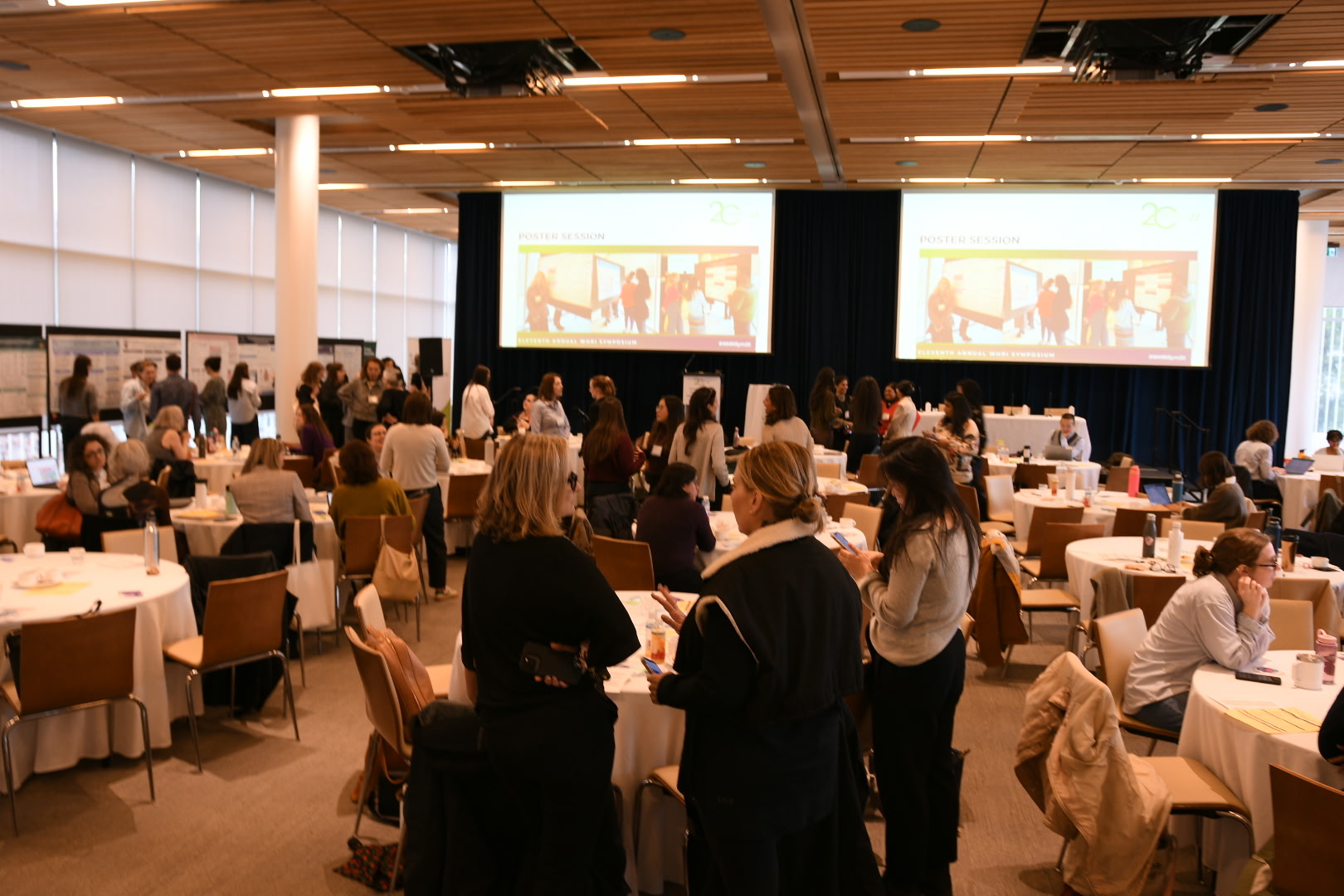
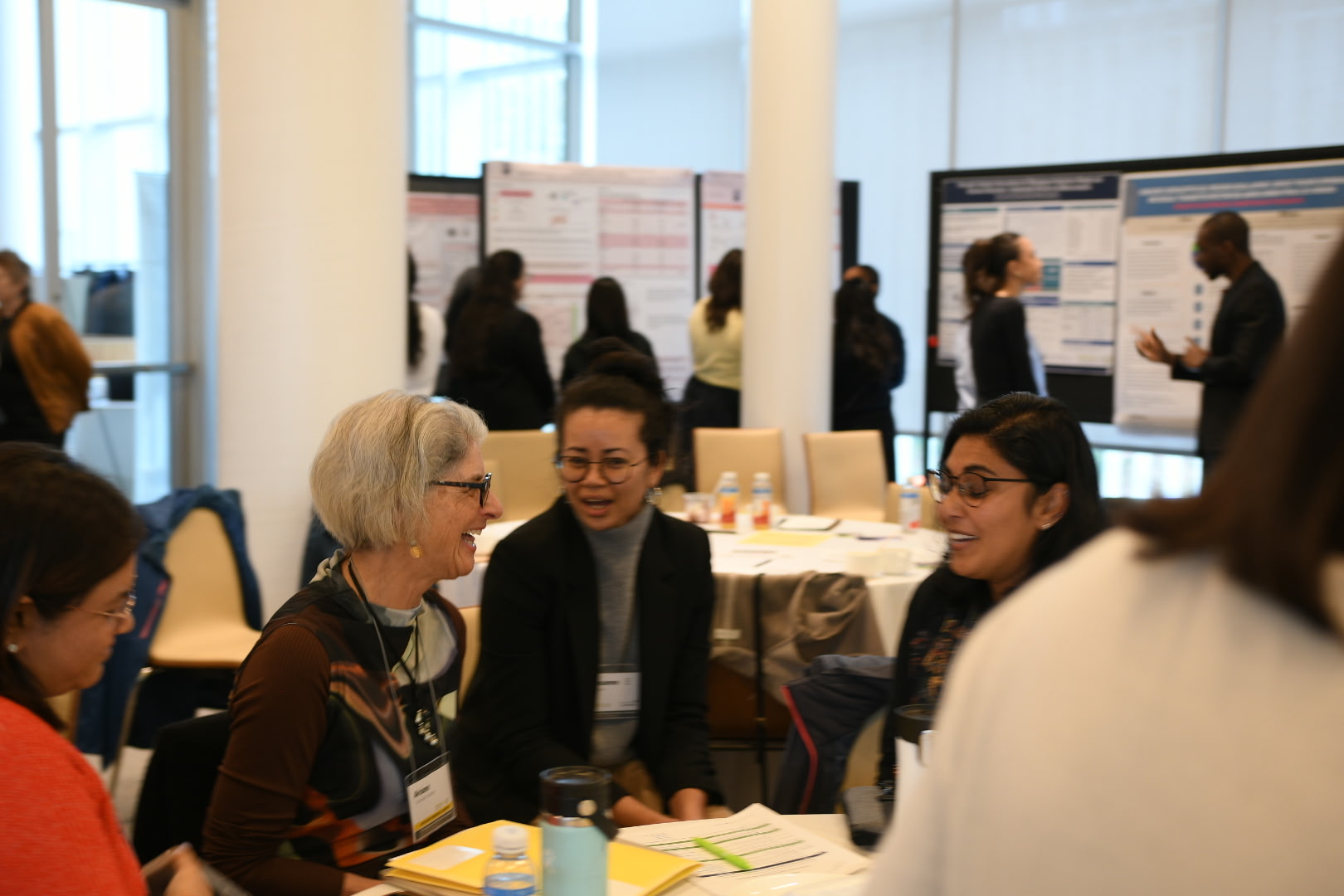
The symposium welcomed 246 attendees, including 187 in person and 59 online, reflecting the connections between the women’s health research community and the broader scientific community.
This year’s theme, From Science to Solutions: Building Bridges from Discovery Science to Women’s Health, emphasized the importance of connecting discovery science with women’s health research. Throughout the day, speakers shed light on gaps in basic science, where women and gender-diverse people have historically been excluded from research and scientific models. The legacy of this exclusion has contributed to the knowledge gaps in women’s health research, furthering inequities in health care and outcomes. The presence of many researchers bridging these gaps, however, was a hopeful reminder that with funding and advocacy, we can continue to build capacity for women’s health research in basic science, and further our understanding of conditions that impact women and gender-diverse people.
Our Keynote speaker, Dr. Cheryl Wellington, and spotlight speaker Dr. Ariane van der Straten along with other guest speakers underscored the importance of including women and gender-diverse people in basic science and research models to understand what we don’t know about women’s health yet, break down stigma and taboos, and improve diagnosis, treatment and care for women and gender-diverse people.
Starting the morning in a good way

Dr. Lori Brotto, WHRI’s outgoing Executive Director, opened the morning by reflecting on this year’s theme and encouraging attendees to embrace the title of women’s health researchers. She emphasized that advancing women’s health research and improving health outcomes for women and gender-diverse people requires fostering an inclusive research culture, strengthening the use of evidence-based knowledge to drive research excellence, and engaging the broader research community—particularly basic science researchers.
Dr. Brotto noted that the symposium theme closely aligned with WHRI’s first strategic priority, From Cell to Society, which was all about connecting discovery science with broader health outcomes. A key message echoed throughout the day was the need to strengthen collaboration across the pillars of health research to address foundational knowledge gaps in women’s health.
The morning was grounded with an opening from Elder Glida Morgan, who led a guided prayer calling on the Creator to care for people across the globe. She invited attendees to reflect on their ancestors and sang the song “One Mind, One Heart,” welcoming grandmothers, great-grandmothers, grandfathers, and great-grandfathers into the space.
The symposium also welcomed remarks from Dr. Sharmila Anandasabapathy, Dean of the UBC Faculty of Medicine, who spoke to the importance of advancing women’s health research both locally and globally, and how UBC is making an impact.
Addressing Gaps in Discovery Science
Dr. Elizabeth Rideout, Associate Professor in UBC’s Department of Cellular and Physiological Sciences, and a member of WHRI’s Scientific Advisory Board, spoke about the foundational role of cellular science in advancing women’s health research. She highlighted the significant gaps that remain in understanding female biology, noting that there is still a paucity of knowledge about female cells and anatomy.
Dr. Rideout emphasized that building stronger connections between discovery science and women’s health research is essential. At the cellular and molecular level, understanding biological differences is key to developing evidence-based strategies for disease prevention and treatment. However, in discovery science, male animals and models are still used up to eight times more often than female models, contributing to the knowledge gap in women’s health.
As Dr. Rideout noted, addressing this imbalance represents an important step toward a broader vision of women’s health research—one in which discovery scientists can contribute to advancing women’s health by developing a comprehensive understanding of how female cells and structures function, and how they differ from their male counterparts.

Keynote Presentation: Understanding Brain Injury in Survivors of Intimate Partner Violence

Please note that the following section discusses intimate partner violence (IPV), which may be distressing for some readers. If so, please skip to Rapid-Fire Presentations.
Dr. Cheryl Wellington, Professor in UBC’s Department of Pathology and Laboratory Medicine, presented on “The Use of Biomarkers to Improve the Diagnosis of Brain Injury in Survivors of Intimate Partner Violence.”
Dr. Wellington emphasized that intimate partner violence (IPV) is a widespread and highly gendered problem, with an estimated one in three women globally experiencing IPV at some point in their lives. She stated that many survivors experience intimate partner violence-related brain injury (IPV-BI), most commonly through head trauma or non-fatal strangulation, both of which can cause lasting neurological damage. Despite their prevalence, these injuries often go unrecognized and untreated, as the only witness is frequently the person who inflicted the harm. She also noted that IPV is more prevalent in remote communities and among racialized and marginalized women, whose voices are often silenced.
Dr. Wellington highlighted that her team has made progress across multiple health authorities in the Lower Mainland to address barriers to medical access and care for survivors. Their goal is to ensure that anyone experiencing IPV knows where to go and what to expect in terms of medical care, legal documentation, advocacy, and support.
She stressed that timely diagnosis of IPV-related brain injury is critical for appropriate treatment. Unlike sports-related concussions, which are often witnessed and addressed immediately, IPV-related brain injuries tend to go undetected for prolonged periods, complicating treatment and potentially leading to long-term cognitive and neurological consequences.
Dr. Wellington noted that research in this area is highly sensitive and carries the risk of re-traumatizing survivors, which has historically limited researchers’ ability to study this area. She posed a critical question: could the under-reporting and delayed treatment of IPV-related brain injuries help explain why women are at higher risk of dementia? She emphasized that now is the time to ask these questions and integrate basic science with women’s health research to improve the treatment and journeys of survivors.
Key takeaways from Dr. Wellington’s presentation included her research program ASCEND-IPV, an international group of investigators and people with lived experiences working together on IPV-BI research.
- Seeks to determine whether blood biomarkers are sensitive and specific to BI in survivors of IPV at both acute, subacurate, and chronic timepoints.
- Includes survivors from underserved communities and those recruited through shelters.
- Integrates clinical studies, animal models, and biomarker research to explore mechanisms, reparative approaches, and long-term outcomes.
- ASCEND-IPV is an internationally leading multidisciplinary translational research program focused on identifying blood based, molecular, and physiological biomarkers of brain injury caused by intimate partner violence.
The ASCEND-IPV preliminary findings reveal promise for several blood-based biomarkers as novel diagnostic tools, which could have both medical and forensic applications.
Rapid-Fire Research Presentations

The morning continued with rapid–fire presentations that demonstrated how basic science and women’s health research can be integrated:
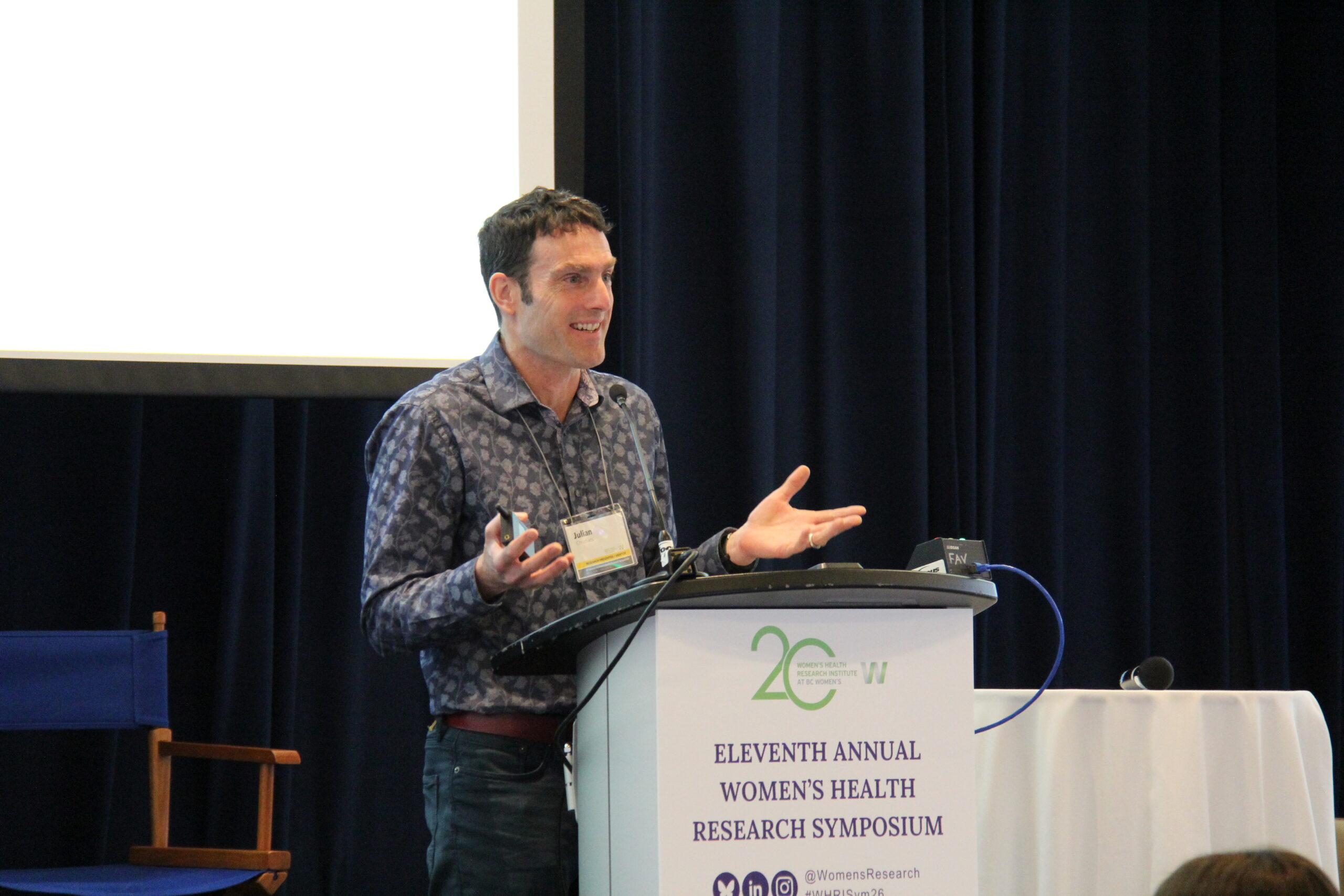
Dr. Julian Christians presentation asked: on “Does exercise mitigate the effects of advanced maternal age on pregnancy outcomes in mouse models?”
- Pregnancy at an advanced age of 35 or older are associated with increased risks of stillbirth, gestational diabetes, fetal growth restrictions, preeclampsia and preterm birth.
- Highlighted that exercise in human pregnancy has several benefits and may lower the risk of gestational hypertension, gestational diabetes, macrosomia and preeclampsia.
- Combined these two observations and hypothesized:
- Increased physical activity will mitigate adverse effects of advanced age
- These improvement from physical activity would happen through placental development and function.
- Used a mouse model comparing these observations of aged mice with exercise, aged mice without exercise, and young mice without exercise, with exercise applied 4 weeks prior to and during pregnancy.
- Found that aged mice had fewer viable fetuses, more non-viable conceptions, smaller fetuses, and delayed fetal development; exercise did not improve these outcomes.
Key Findings:
- Examined placental function and gene expression: placental development was delayed in aged mice, gene expression differed substantially, and exercise affected only one gene.
- Concluded that exercise did not reverse age-related pregnancy or placental effects in this model and furthermore concluded that there was no evidence that showed exercise as a useful intervention.
Dr. Nicole Templeman spoke on “Defining the impacts of preventing insulin excess in a mouse model of polycystic ovary syndrome.”
- Polycystic ovary syndrome (PCOS) is a common reproductive disorder characterised by irregular menstrual cycles, elevated levels of testosterone and polycystic ovarian morphology (ovaries look larger and can contains small, fluid-filled sacs), and often metabolic dysfunction such as obesity, insulin resistance or elevated insulin.
- Dr. Templeman’s research aimed to understand how reducing elevated insulin levels influences the development, progression, and persistence of PCOS symptoms.
- Using a mouse model, they compared mice with normal insulin genes to those with genetically reduced insulin, with prenatal exposure to AMH to induce PCOS-like symptoms.
Key findings:
- Reduced insulin improved glucose tolerance, indicating some metabolic benefit.
- However, significant PCOS-associated metabolic dysfunction was not observed, even under an “unhealthy diet.”
- The study raises ongoing questions about the role of insulin in driving other features of PCOS, highlighting that the metabolic link may be more complex than expected.
Dr. Brian Christie was regrettably unable to attend the symposium. Justin Brand, a PHD candidate working in Dr. Christie’s lab, presented Dr. Christie’s work on “Pathophysiology and blood biomarkers of brain injury in intimate partner violence: insights from a new rat model”
- Discussed a rat model examining brain injury caused by IPV, focusing on mild traumatic brain injury (mTBI) and non-fatal strangulation (NFS).
- Research objective was to determine how NFS, alone or combined with mTBI, affects synaptic plasticity and the consequences for learning and memory.
- Methods used were electrophysiological assessment 7 days post-injury in rats exposed to NFS, simulating hypoxic injury.
Key findings:
- Both NFS and mTBI caused a shift toward inhibitory tone and impaired synaptic activity.
- These synaptic changes were observed even after a single injury, highlighting potential implications for clinical assessment and IPV-BI research.
- Future directions of this study will look at the effects of repetitive injuries, exploring receptor-level mechanisms, and including clinical populations through British Columbia in future research
- The goal of their future research is implementing research findings across British Columbia to improve IPV supports such as diagnosis, advocacy, awareness, and overall quality of life for survivors.
Spotlight Talk: Vaginal Formulations: Research Gaps and Priorities
Dr. Ariane van der Straten presented a spotlight talk on “Vaginal Formulations: Research Gaps and Priorities,” highlighting both the long history and contemporary challenges of vaginal formulation delivery. She traced the evolution of vaginal products over the past 4,000 years, from the first internal condom around 2000 BC, to Dr. Fallopio’s development of the male condom during the syphilis epidemic, the production of rubber condoms in the 1800s, and contemporary products such as rings, topical inserts, and IUDs. Despite this extensive history, she noted that vaginal products are generally less preferred than oral administration, with acceptability influenced by geographic, cultural, and individual factors.
Dr. van der Straten discussed the pros and cons of vaginal formulations, emphasizing benefits including potential lower doses and more localized effects due to absorption, while challenges arise from the dynamic vaginal environment and individual comfort levels with insertion. She emphasized that acceptability must be user-centered, not product-centered. She further highlighted common barriers for people choosing vaginal formulations such as intimidating size and appearance, sensory perceptions (cold, runny, messy), and cultural fit. Plastic products can be perceived as wastefu people have concerns about vaginal hygiene, and cultural norms centering male comfort and pleasure lead to worries about how vaginal formulations will be perceived by male partners. Through case studies of tampons, diaphragms, and PrEP rings, she demonstrated that acceptability is a process requiring familiarization, guidance, and publicly addressing these concerns.

Looking toward the future, Dr. van der Straten showcased vaginal products in development, including topical inserts for HIV and HSV that can be used vaginally and anally, rings, and nanofiber patches. She stressed that to reduce hesitancy, products must be safe, effective, mess-free, side-effect-free, convenient, and culturally appropriate. She also highlighted the role of health care professionals in supporting initial adoption and addressing initial hesitations.
Key takeaways:
- Vaginal formulations offer targeted benefits but face persistent barriers to adoption.
- Acceptability is user-centered and requires familiarization, support, and culturally sensitive approaches.
- Future products should prioritize safety, efficacy, ease of use, and minimal environmental impact.
- Health care professionals play a central role in overcoming hesitancy and supporting uptake.
Panel Discussion on “Exploring sex differences in discovery science: A path into women’s health research
The panel discussion featured Dr. Peter Zandstra, Dr. Lisa Osborne, and Dr. Jessica Rosin, who shared insights on women’s health, sex differences in research, and strategies to move beyond male-biased models. Dr. Osborne reflected that her understanding of women’s health has expanded from specific anatomical conditions to a broader view encompassing how gender shapes living and wellbeing. Dr. Rosin highlighted that discovering sex differences in her work emphasizes the importance of including both sexes in research, normalizing justification for study design choices, and challenging prevailing ideas in basic science. Dr. Zandstra noted that requiring sex and gender inclusion in funding applications, along with education and discussions like this panel, is essential to shift research practices and ensure equitable research.

Genome British Columbia Launches $1.8M Women’s Health Genomics Funding
Genome British Columbia has made an exciting announcement regarding genomic funding for women’s health. They have committed over $1.8 million to a dedicated women’s health funding call, set to launch in April 2026. This program is designed to support research that advances women’s health through the application of genomics.
Celebrating the Women’s Health Research Community

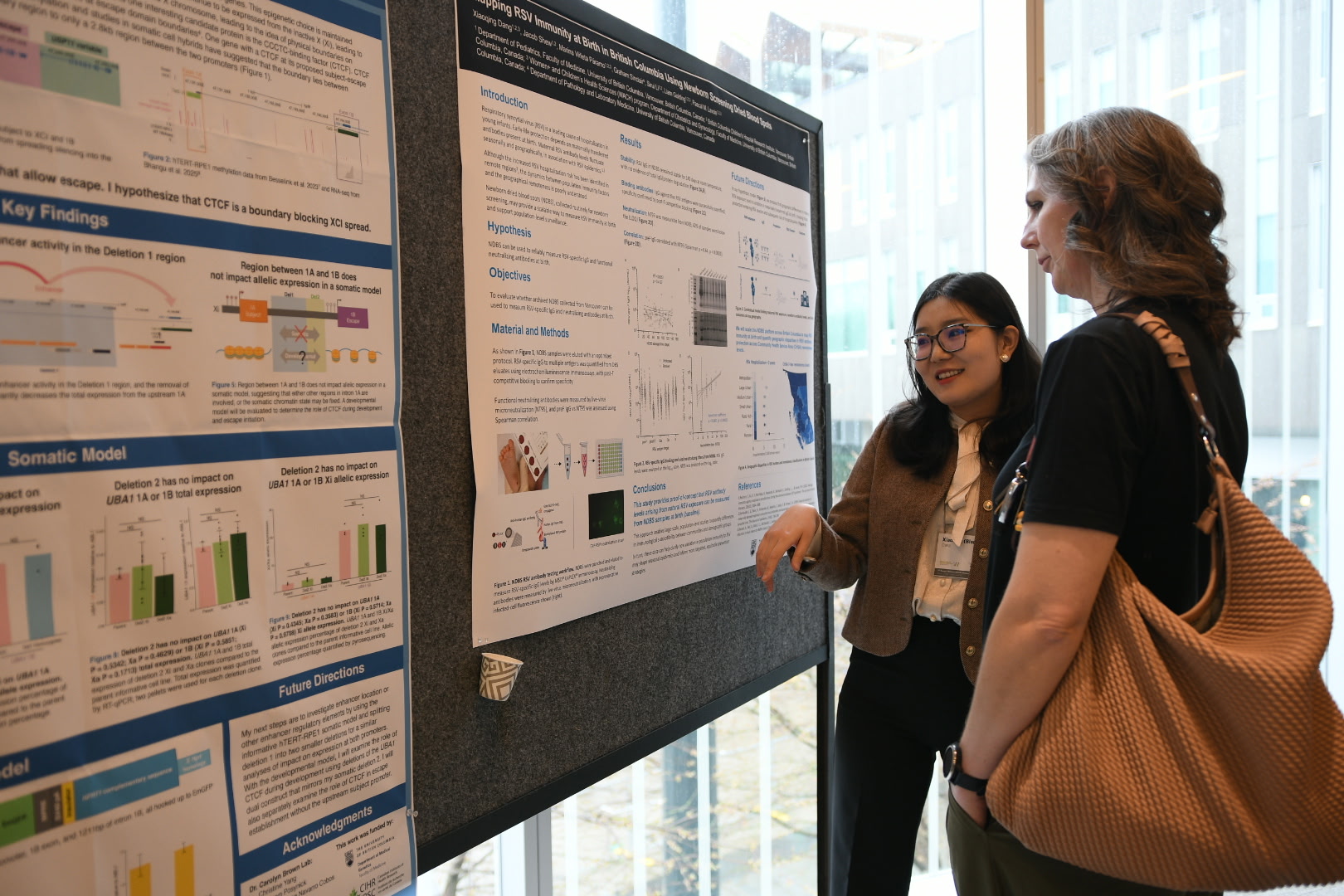
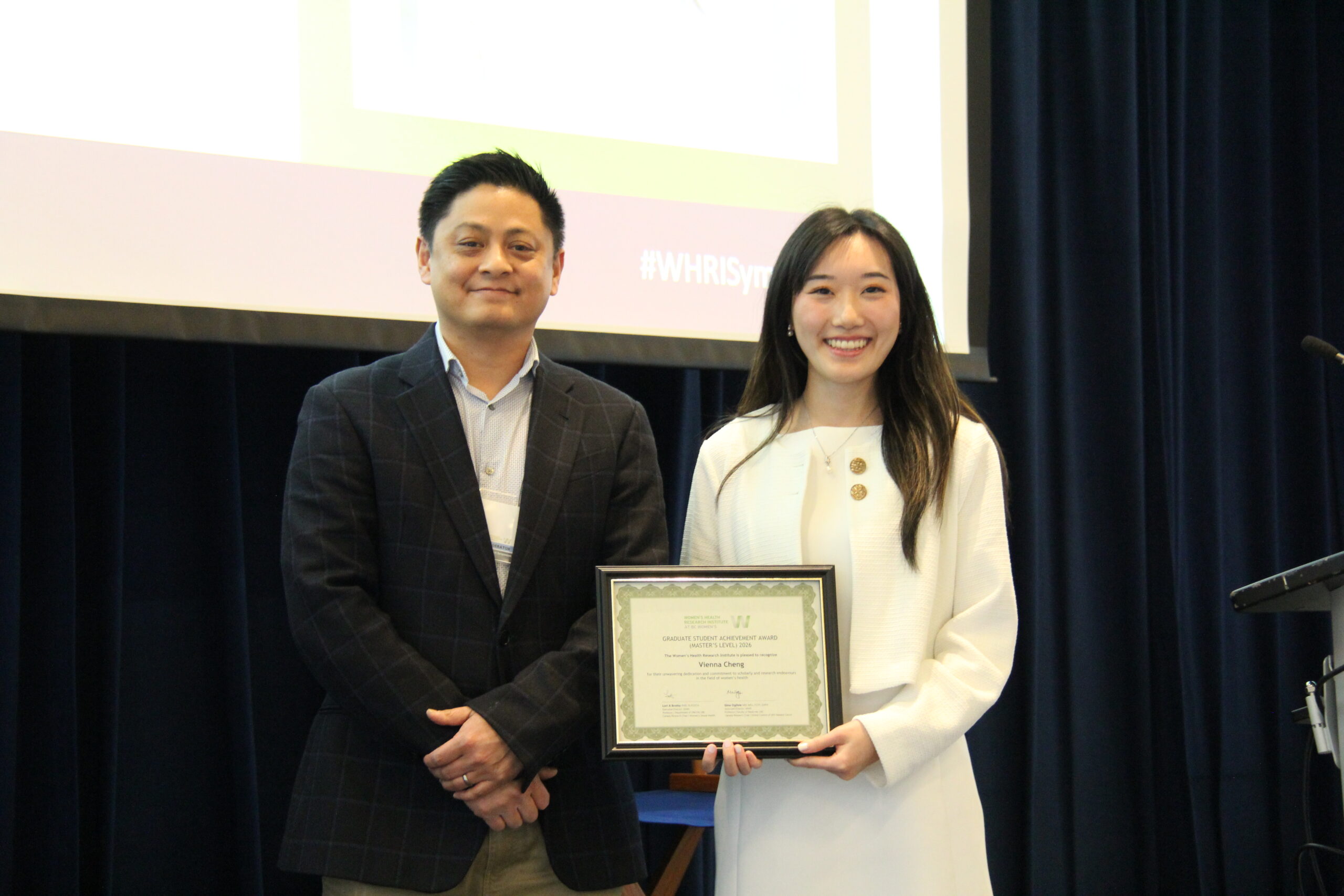
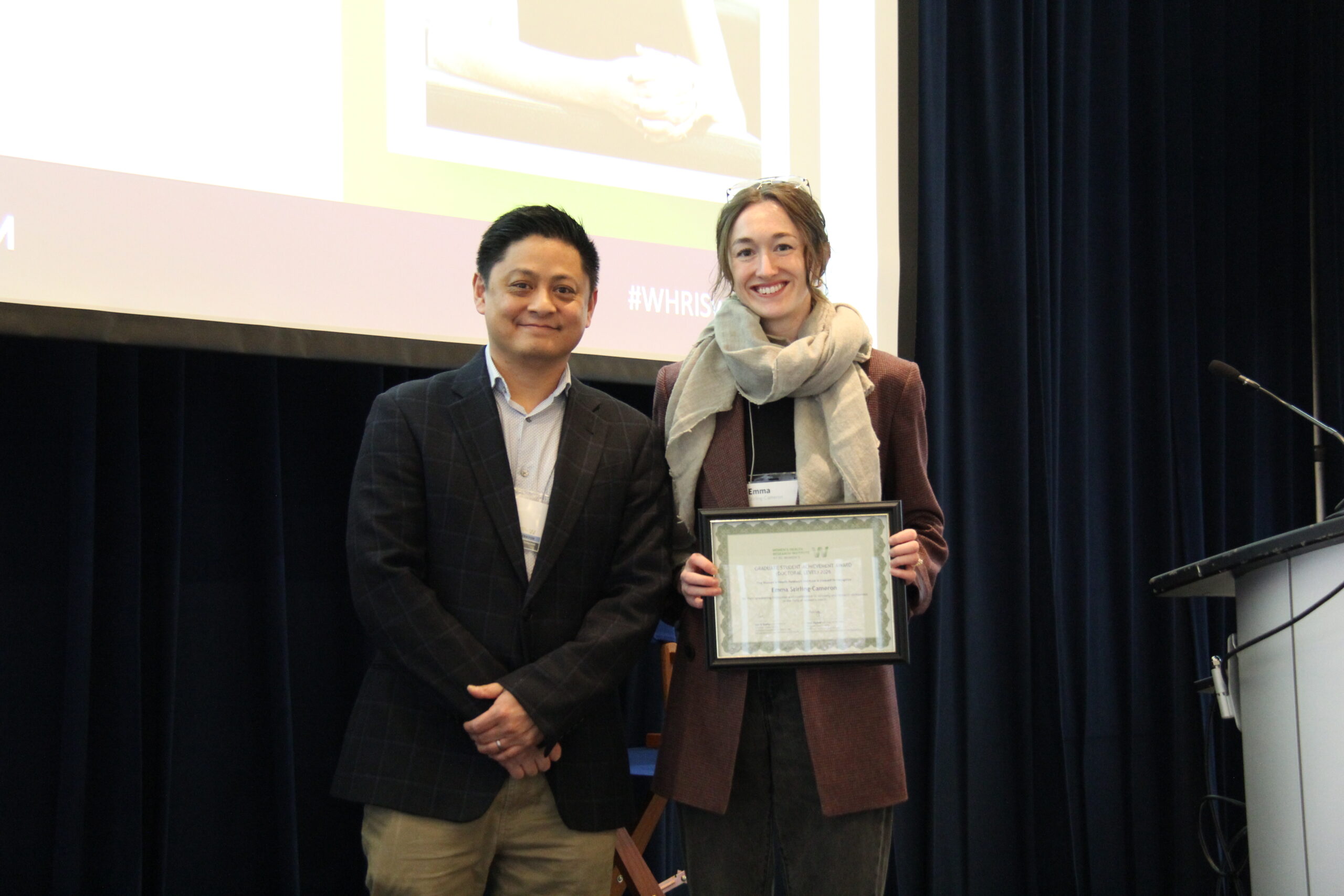
Dr. Paul Yong, WHRI Assistant Director, presented the WHRI Graduate Student Achievement Awards. Vienna Cheng received the master’s level award, and Emma Stirling-Cameron received the Doctoral level award. The WHRI Graduate Student Achievement Award recognizes excellence in research relevant to women’s and newborn health.
Remarks from Cally Wesson
Cally Wesson, President and CEO of BC Women’s Health Foundation (BCWHF), celebrated the news that Health Minister Josie Osborne proclaimed March officially as Women’s Health Research Month! She highlighted BCWHF’s ongoing commitment to advancing women’s health research and closing knowledge gaps that affect the health and quality of life of women and gender-diverse people. Wesson also gave special thanks to Dr. Lori Brotto for her 10-year tenure as Executive Director of the WHRI, applauding her inspiring leadership, expertise, and accomplishments in the role.
Celebrating Leadership, Legacy, and Community

Kathryn Dewar, Senior Research Manager, congratulated Dr. Lori Brotto on a decade of leadership as Executive Director of the WHRI, thanking her for her mentorship, guidance, and unwavering support over the years.
Dr. Brotto closed the event with gratitude, expressing pride in hearing from all the speakers and seeing the symposium theme, From Cell to Society, come to life. She remarked that the keynote presentation by Dr. Cheryl Wellington beautifully illustrated Elder Glida’s song “One Mind, One Heart”, which was reflected in the presentations’ shared mission to end violence and advance women’s health, and expressed pride in all the trainees in attendance.
Dr. Brotto also expressed immense gratitude to Kathryn Dewar for her leadership in organizing the symposium for 11 years and noted that it was Kathryn’s birthday, prompting the room to break into a spontaneous “Happy Birthday” celebration! It was a fitting close to the afternoon, honouring both the past achievements and the ongoing dedication to advancing women’s health research.
Elder Glida closed the afternoon by expressing her gratitude to the organizers and highlighting the impressive trainee posters. She emphasized the importance of giving thanks for all the vital topics discussed and invited everyone to move their bodies and join together in song, leading attendees in singing “See You Soon.”
The Inaugural WHRI Board Reflects 20 years of Progress

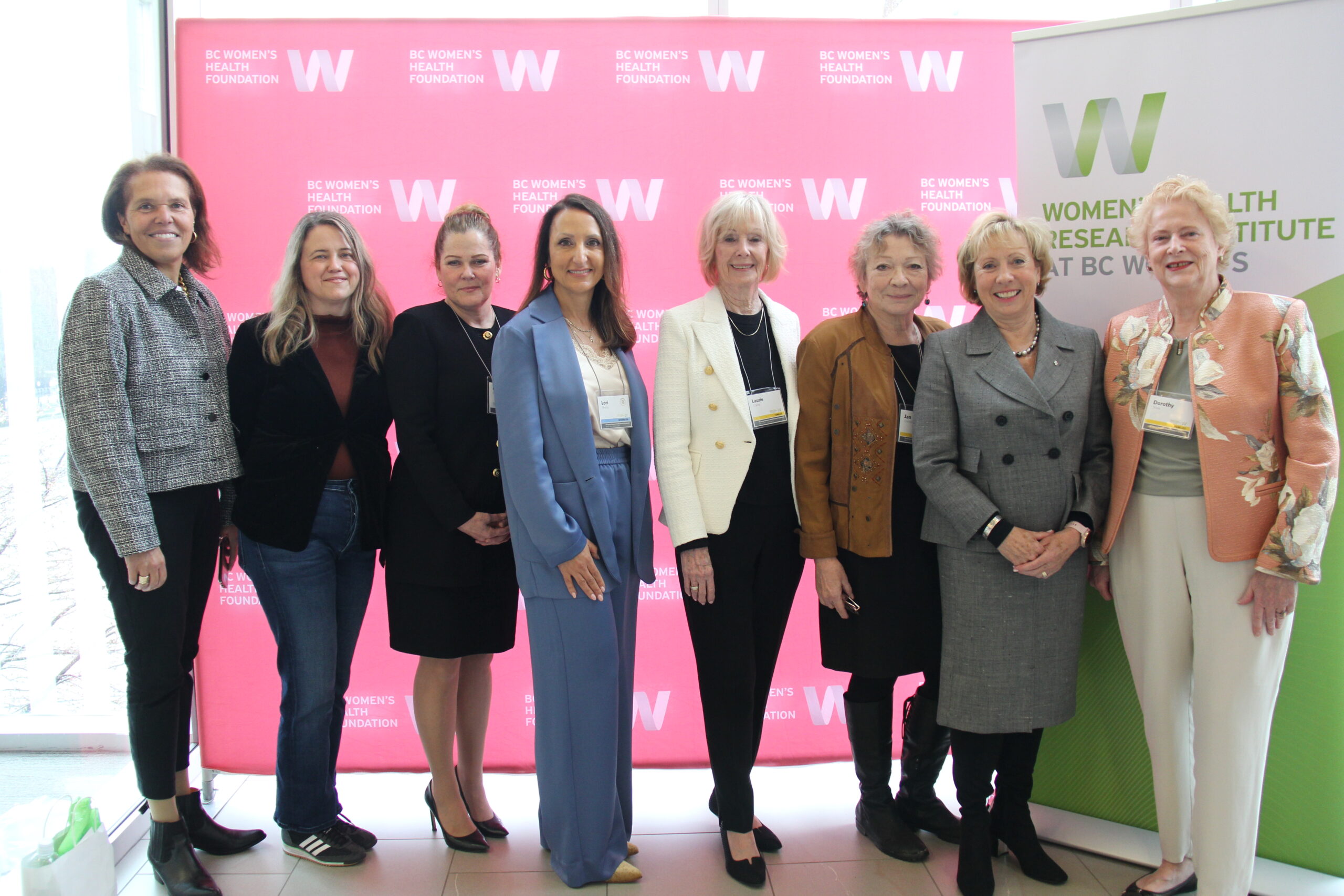
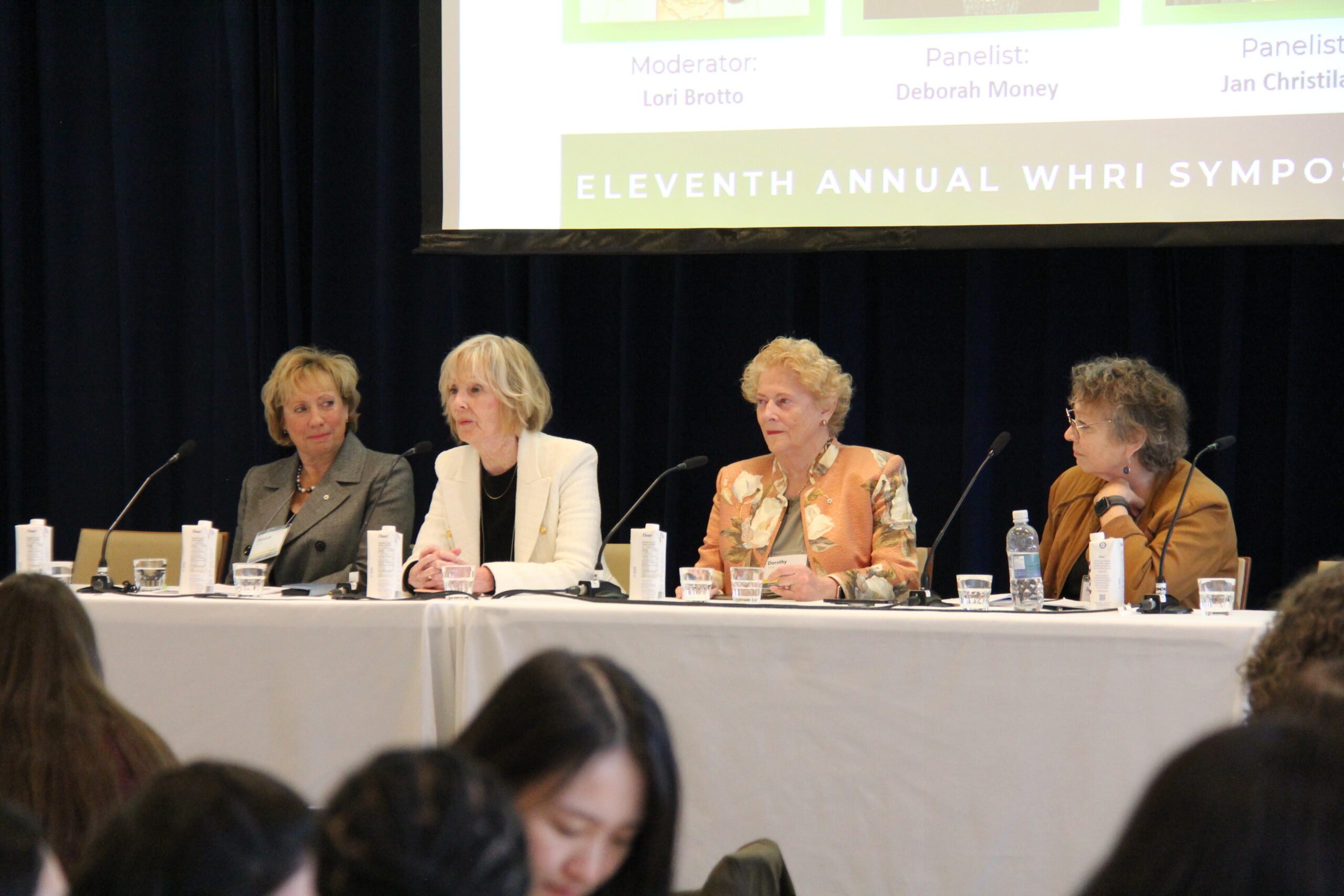
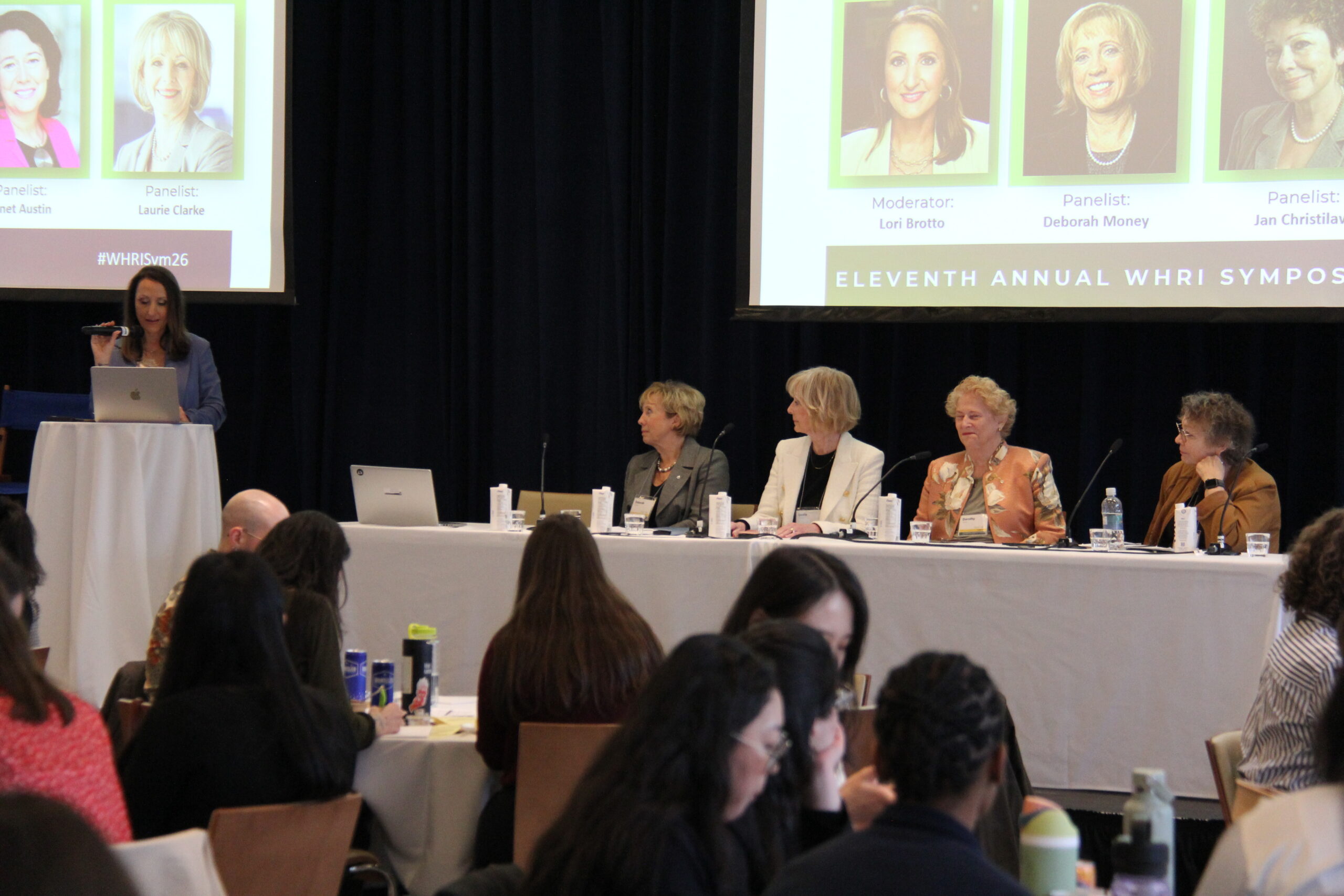
The inaugural WHRI board reflected on 20 years of progress, from its beginnings in 2006 to its ongoing vision: leading research that improves health outcomes for all women and gender-diverse people. Dr. Deborah Money shared that in 2006 the Children’s Health Research Institute was robust but focused solely on children’s research. While there was significant women’s health research underway, many researchers were left seeking “a home” to form collaborations and continue the advancement of women’s health. This inspired the establishment of the WHRI to create a central organization to “put a flag on the map” for women’s health and connect the community together.
Jan Christilaw shared that early challenges included limited awareness of women’s health, tight funding, and minimal physical operating space and joked that the first WHRI office was little more than a closet. Despite these obstacles, over the following years community partnerships, advocacy, and leadership helped support the WHRI’s growth and success. Panelists emphasized what had previously been overlooked, including sex and gender differences and the social factors affecting access to care, and highlighted the continuing importance of mentorship, fundraising, and community engagement for advancing women’s health research.
Looking ahead, the panel highlighted that the next 20 years require addressing the questions that haven’t been asked before. As Dr. Gina Ogilvie remarked, researchers must “look beyond the cupboard”—seeing potential beyond limited resources and asking the uncomfortable or stigmatized questions that expose gaps in women’s health research. This theme was echoed throughout the symposium: to improve health outcomes, women’s health researchers must confront neglected areas and lead the way in asking the unasked questions.