Observed annually on February 11th, the International Day of Women and Girls in Science is a UN-led day of advocacy for the inclusion of women, girls, and gender-diverse people in Science, Technology, Mathematics and Engineering (STEM).
The achievements of Women’s Health Research Institute members, and the women’s health research community, are a powerful example of how inclusion in science fields can benefit the collective. Women in science continue to power positive social, economic, and societal change, and we’re excited to see what the future brings.
In honour of this day, we asked our 2025 graduate and fellowship awards winners to share their thoughts on what science means to them.
Dr. Atefeh Najafi, Postdoctoral Research Fellow, Biology, University of Victoria
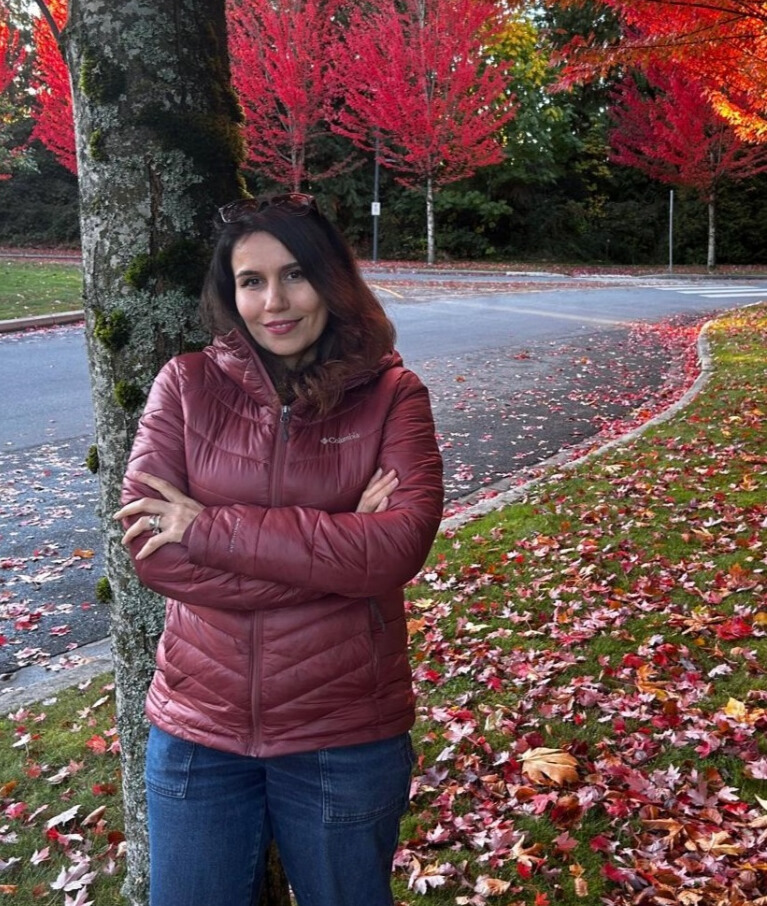
Since childhood, I have wanted to help others, and science became a way for me to turn that motivation into action. As a woman researching women’s reproductive health, my work addresses questions that deeply affect women’s lives yet have historically received limited attention.
Women and girls make up nearly half of the world’s population, and supporting the participation of women, girls, and gender-diverse people in science helps ensure discoveries reflect the needs and experiences of all people.
International Day of Women and Girls in Science reminds us that science moves forward most effectively when diverse voices are included.
Denise Zhu, Graduate Student (MSc), Women and Children’s Health Graduate program, University of British Columbia
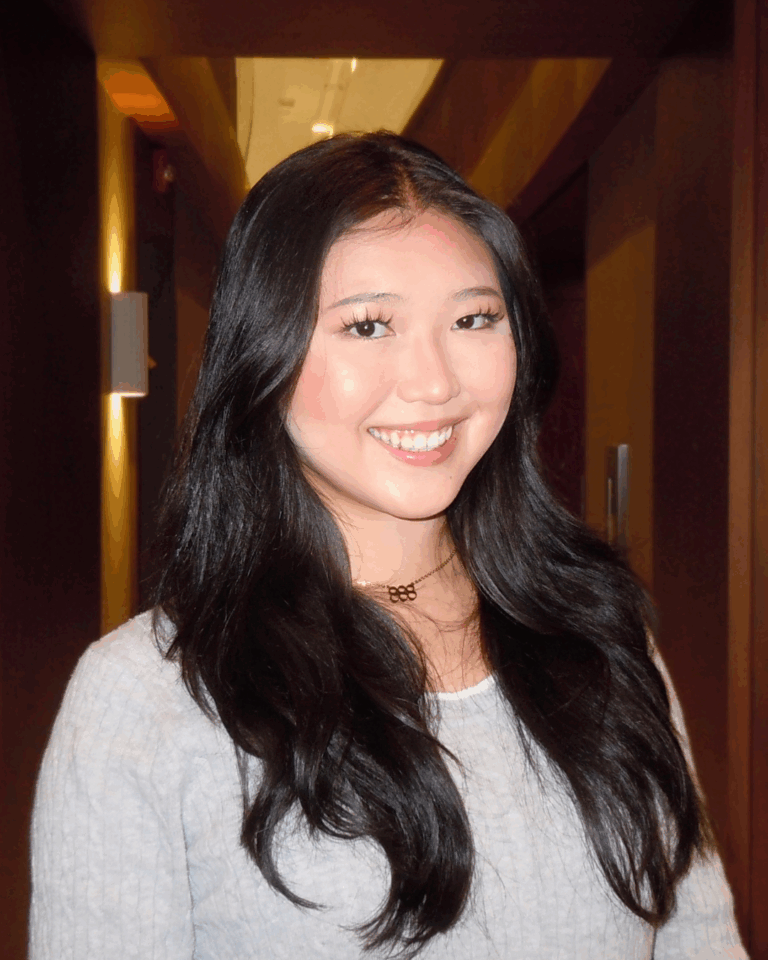
Science is humility and understanding. It prompts questions that reflect the health and social inequities faced by countless communities and acts as a bridge to move us from lived experiences towards structural change.
Ensuring women, girls, and gender-diverse voices are heard makes science a more powerful, accurate and ethical tool. Doing so supports stronger public trust and more equitable outcomes. When these groups are meaningfully included, the capacity for research to drive lasting social progress increases substantially.
Vienna Cheng, Graduate Student (PhD), Faculty of Pharmaceutical Sciences, University of British Columbia

To me, science is about discovering new knowledge and translating it into meaningful insights that improve health and well-being. Including women, girls, and gender-diverse people in science benefits society by creating opportunities for brilliant individuals to contribute their unique skills and perspectives to drive meaningful scientific discoveries.
My most inspiring role models are women whose intelligence, resilience, and leadership have shaped me and shown me that collective progress strengthens both science and society.