
In the Media: Dr. Nichole Fairbrother Featured on CBC Radio “Just Asking” Podcast
Dr. Nichole Fairbrother shares insights into common misconceptions surrounding postpartum mental health and the importance of better understanding these experiences.
Dr. Nichole Fairbrother shares insights into common misconceptions surrounding postpartum mental health and the importance of better understanding these experiences.
Designed and facilitated by Qualitative Research Analyst Julia Santana Parrilla, WHRI’s first qualitative research summer student series was conceptualized as a sequential two-parter to engage attendees in critical reflections of research philosophies and equity, diversity and inclusion (EDI) principles.
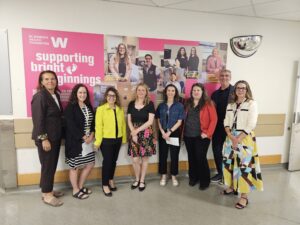
WHRI staff and researchers welcomed leaders from PHSA for two tours over the summer, highlighting interest and investment in embedding women’s health research in clinical spaces.

WHRI is very pleased to congratulate the recipient of the 2026 Dr. Monica K. Li and Family Undergraduate Medical Student Research Award in Women’s Health.

The Women’s Health Research Institute (WHRI) is very pleased to congratulate the recipients of the 2026 Graduate and Fellowship Research Awards in Women’s Health.

Congratulations to Dr. Mohamed Bedaiwy, the recipient of the 2026 PRIME Centre Research Award.